Whoa! Okay, quick confession: I tried a handful of Solana wallets before I landed on Phantom. Really? Yes. My instinct said something felt off with the UX of the first two I used. At first I thought they were all the same, but then I realized the small things matter—transaction feedback, signature prompts, that tiny noise when a swap completes. Hmm… that little UX polish makes a difference when you’re doing five small NFT drops in a row and your heart’s racing.
Here’s the thing. Phantom started as a clean browser extension and it still nails that basic promise: fast access to your Solana accounts with minimal friction. Short setup. Intuitive key management. Clear network toggles. But there’s more under the hood than the pretty interface. I’m biased, but I prefer tools that feel like they were built by people who actually use crypto daily. Phantom does that, and while it’s not perfect, its tradeoffs lean toward practical.
My first hands-on with Phantom was messy. I imported a seed phrase, lost track of one character, panicked… and then remembered I had my Ledger. Lesson learned. Use hardware where you can. Seriously? Yes—especially for larger balances. Phantom supports Ledger integration (for on-the-fly signing while keeping keys offline), which is a major pro if you care about layered security.
How Phantom Handles the Typical User Journey
Download and install is straightforward. If you want the extension, grab it from the official source like this one: https://sites.google.com/cryptowalletextensionus.com/phantomwalletdownloadextension/. Wow! That said, be careful—phishing pages mimic everything. On some days I feel like a detective scrolling through permissions. On one hand the extension makes connecting to dApps a breeze; on the other hand, every connection request is an opportunity for a bad actor. So check origins. Check domains. Don’t click on every popup.
Account management is neat. You can create multiple accounts, label them, and switch quickly. Medium complexity stuff like token lists and custom RPCs are available without burying them. I like that. It respects both novices and power users. But, honestly, the custom RPC area could use clearer warnings; I once pointed my wallet to a slow, private RPC and thought transactions stalled—turns out the RPC was the bottleneck.
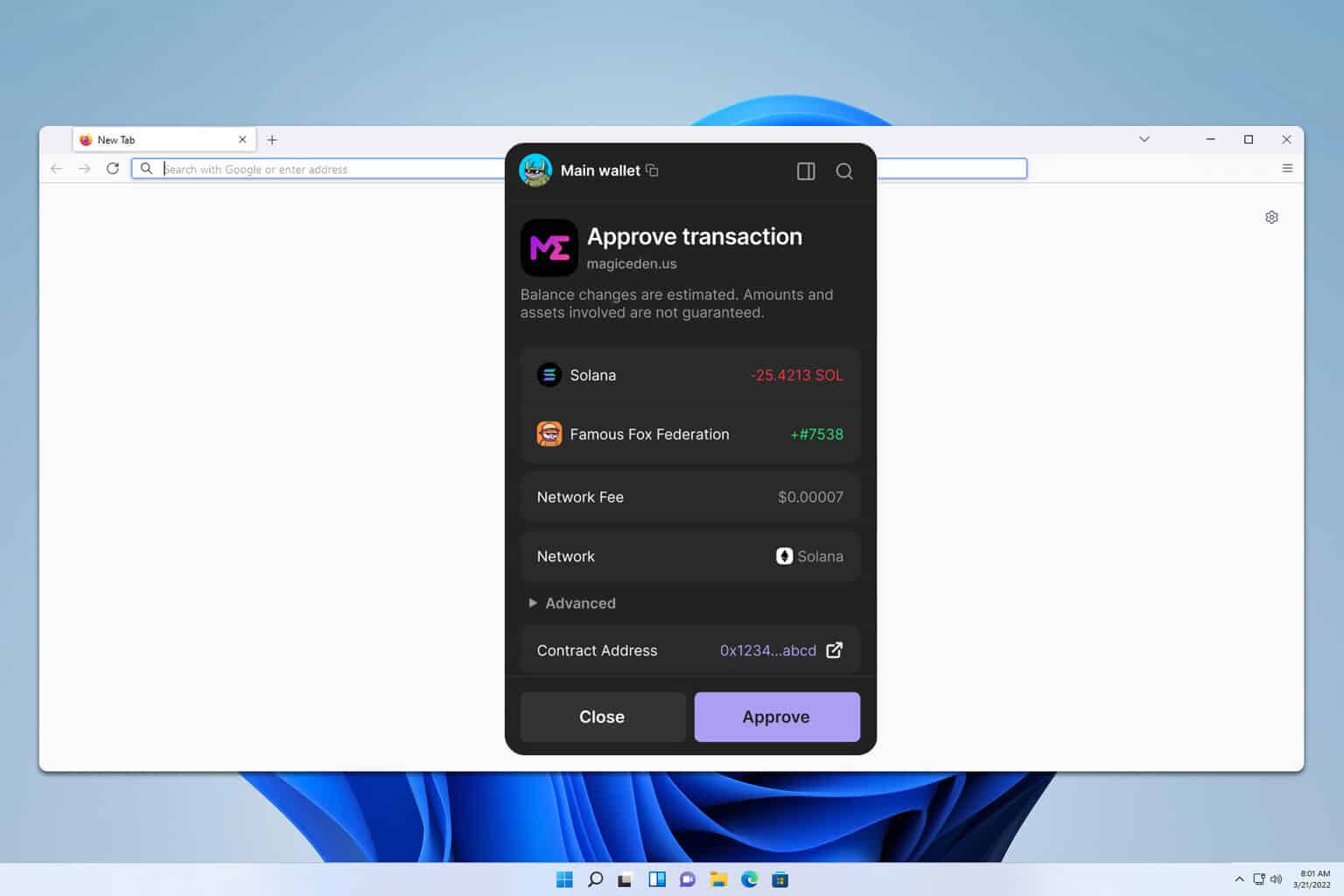
NFT workflows are where Phantom shines for collectors. You can view NFTs in a gallery, inspect metadata, and quickly send or list items. The signing flow shows the transaction types cleanly so you know when you’re approving a transfer versus minting. Something I appreciate is the ability to view raw transaction details for advanced users, though it’s tucked away a bit. OK, it bugs me that some metadata loads slowly on mobile, but the desktop experience is solid.
Security notes—short and blunt: never share your seed phrase. Seriously. Phrase is sacred. Phantom uses a standard seed for account recovery; if you export private keys or use a password manager, be deliberate. Hardware wallets like Ledger are supported for signing (which I use daily). My workflow: keep small, active balances in the extension for drops and snags; store the rest behind a Ledger or cold storage. It’s basic, but it works.
Performance and fees. Solana’s speed matters. Transactions confirm fast, and Phantom presents clear fee estimates, though those estimates can be small and easy to overlook. Initially I thought fees were negligible across the board, but then after a congestion spike I realized the mempool and compute budget nuances can affect priority. Phantom exposes these details in an advanced view, which is good if you want to tweak things.
Developer and dApp integration. Phantom is widely accepted across Solana dApps, from DeFi swaps to NFT marketplaces. If a dApp supports wallet adapters, Phantom typically slots in without drama. On the flip side, some newer protocols push advanced signing features that Phantom is still iterating on—so every so often I hit a compatibility quirk. On one occasion a signing flow required a second confirmation that I didn’t expect (oh, and by the way… it saved me from a mistaken approval), and that conservative extra step mattered.
User support and community. The Phantom team is active on social channels and issues are discussed publicly. I once flagged a UX inconsistency and got a respectful reply. That human touch counts. Still, not everything is hand-held—if you’re new to crypto you’ll need to read, re-read, and maybe watch a couple videos to feel safe. There’s no shame in that. Crypto is a self-study course with occasional surprises.
FAQ
Can I use Phantom on mobile and desktop?
Yes. Phantom offers a browser extension for desktop and a mobile app for phones. The experiences sync in the sense of account recovery, but the mobile environment has different UX quirks—notifications behave differently and some metadata may load slower. I’m not 100% sure the mobile gallery matches desktop polish, but it’s close enough for daily use.
Is Phantom safe for NFTs?
For everyday NFT collecting, Phantom is convenient and secure when used correctly. Use hardware wallets for large holdings. Check approval prompts carefully, and revoke smart-contract approvals you no longer need. There are third-party tools that help audit approvals if you want extra assurance.
How do I recover my wallet?
Recovery uses the secret seed phrase you saved during setup. Keep that phrase offline and backed up (paper, safe, whatever). If you lose it and don’t have a hardware backup, access is likely gone. Harsh, but true—so treat the phrase like cash and IDs combined.